
Contents
Overview
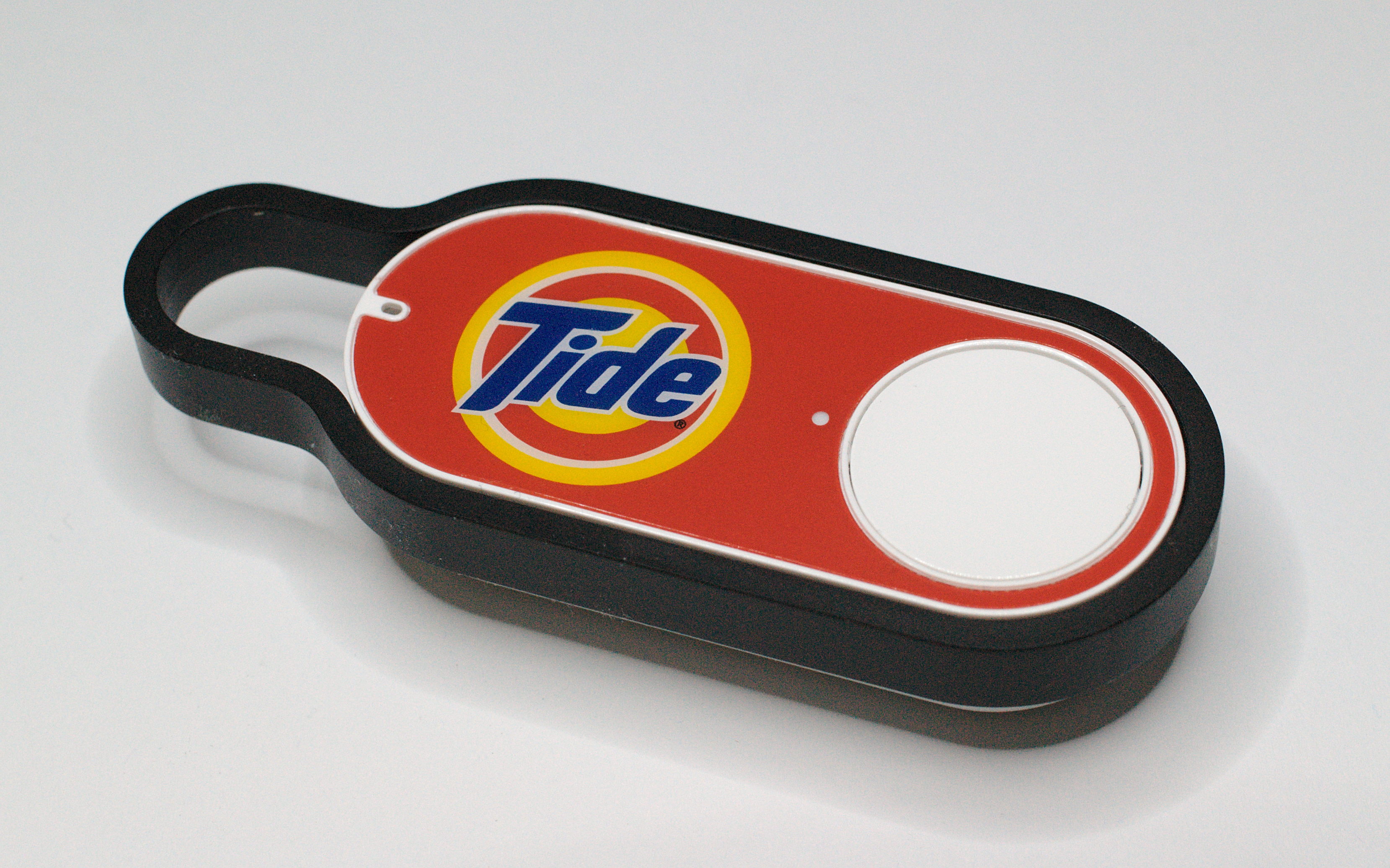
The genesis of voice activated shopping can be traced back to early experiments in human-computer interaction and the burgeoning field of e-commerce. While the concept of speaking to machines has long been a staple of science fiction, its practical application in retail began to take shape with early efforts like Amazon Dash. This initiative included the Dash Wand, a device that combined barcode scanning with voice recognition, and the Dash Button, a physical button for one-tap reordering. These products, though eventually discontinued, laid crucial groundwork by demonstrating consumer appetite for simplified purchasing. The subsequent proliferation of smart speakers like the Amazon Echo and Google Home provided the necessary hardware and AI infrastructure, such as Amazon Alexa and Google Assistant, to truly propel voice commerce into the mainstream.
⚙️ How It Works
At its core, voice activated shopping relies on a sophisticated interplay of technologies. First, a voice assistant, embedded in devices like Amazon Echo or smartphones, captures the user's spoken command using advanced speech recognition algorithms. This audio is then processed by natural language processing (NLP) engines to understand the intent behind the words – whether it's searching for a product, adding an item to a cart, or initiating a payment. Once the intent is deciphered, the system queries product databases and inventory management systems, often via APIs, to retrieve relevant information. For purchases, it securely accesses stored payment and shipping details, coordinating with payment gateways and fulfillment centers to complete the transaction. This entire process, from spoken word to confirmed order, is designed to be as seamless and rapid as possible, mimicking a natural conversation.
📊 Key Facts & Numbers
The market for voice activated shopping is experiencing robust growth. Projections indicate that the global voice commerce market was valued at approximately $2.6 billion in 2020 and is expected to surge to over $19.4 billion by 2025, representing a compound annual growth rate (CAGR) of over 40%. According to some sources, by 2023, it was estimated that over 70 million U.S. consumers were using voice assistants for shopping. Furthermore, studies suggest that a significant portion of consumers, around 60-70%, are willing to make purchases via voice, with smart speaker ownership continuing to climb, surpassing 100 million households in the United States alone by early 2024. This rapid adoption underscores the increasing consumer comfort and reliance on voice interfaces for everyday tasks, including retail.
👥 Key People & Organizations
Several key individuals and organizations have been instrumental in shaping voice activated shopping. Jeff Bezos, founder of Amazon, championed early innovations like Amazon Dash and the Amazon Echo, fundamentally altering how consumers interact with e-commerce. Sundar Pichai, CEO of Google, has driven the development of Google Assistant and its integration into shopping experiences. Companies like Amazon and Google are dominant players, with their respective AI assistants, Alexa and Google Assistant, powering the vast majority of voice commerce interactions. Beyond these tech giants, numerous retail brands, including Walmart and Target, are actively developing their own voice shopping capabilities and integrations to capture this growing market segment. Startups focused on voice commerce solutions also play a vital role in pushing the technology forward.
🌍 Cultural Impact & Influence
Voice activated shopping is subtly but profoundly reshaping consumer behavior and expectations. It's democratizing access to online shopping, making it more convenient for individuals with visual impairments, mobility challenges, or those simply multitasking. The conversational nature of voice interactions can foster a more personal connection between brands and consumers, moving beyond transactional exchanges to more engaging dialogues. This shift is evident in how people discover products; instead of browsing endless lists, users can ask specific questions and receive curated recommendations. The rise of voice shopping also influences product packaging and branding, as companies consider how their products will be identified and described verbally, a concept sometimes referred to as 'verbal SEO'. This evolving interaction paradigm is a significant cultural touchstone in the digital age.
⚡ Current State & Latest Developments
The current landscape of voice activated shopping is characterized by rapid iteration and expanding capabilities. Major platforms like Amazon Alexa and Google Assistant are continuously improving their natural language understanding and expanding the range of purchasable goods and services. Retailers are increasingly integrating voice ordering into their mobile apps and websites, offering a hybrid experience. For instance, users can add items to their cart via voice on a smart speaker and then complete the purchase on their phone, or vice versa. Emerging trends include personalized recommendations based on past purchases and voice patterns, as well as the integration of voice into in-store experiences, such as interactive kiosks or associate-facing tools. The focus is shifting from simple reordering to more complex shopping journeys, including product comparisons and deal discovery.
🤔 Controversies & Debates
Despite its convenience, voice activated shopping is not without its controversies and debates. Privacy concerns loom large, as voice assistants are always listening for wake words, raising questions about data collection and potential misuse of recorded conversations. Security is another major hurdle; ensuring that unauthorized purchases cannot be made through a user's account requires robust authentication methods, which are still evolving. There's also the debate around the accuracy and bias of speech recognition systems, which can sometimes struggle with different accents, dialects, or background noise, potentially excluding certain user groups. Furthermore, the impact on impulse buying and responsible consumption is a growing concern, as the ease of voice ordering could lead to increased unplanned purchases. The concentration of power in the hands of a few tech giants also raises antitrust questions.
🔮 Future Outlook & Predictions
The future of voice activated shopping points towards even deeper integration and more sophisticated capabilities. We can anticipate more personalized and predictive shopping experiences, where AI anticipates needs before they are even voiced. The development of more advanced natural language processing will enable more complex conversational commerce, allowing for nuanced product customization and troubleshooting through voice. Expect to see voice seamlessly integrated into augmented reality (AR) shopping experiences, where users can visually browse products and then use voice commands to interact with them or make purchases. The expansion of voice commerce beyond consumer goods into services like booking appointments, ordering food, and managing subscriptions is also a strong trend. Ultimately, voice could become the primary interface for many online interactions, fundamentally changing how we engage with the digital economy.
💡 Practical Applications
Voice activated shopping finds practical application across numerous retail scenarios. Consumers use it for quick reordering of household staples like Procter & Gamble paper towels or Unilever detergent via smart speakers. It's employed for discovering new products, such as asking Alexa for 'a good red wine under $20' or inquiring about the latest fashion trends. Many restaurants now allow customers to place orders for pickup or delivery through voice assistants. Beyond direct consumer purchases, businesses are exploring voice for internal operations, like inventory checks or sales reporting. The technology is also being adapted for
Key Facts
- Category
- retail-innovation
- Type
- topic